Digital Art Museum · Archive
Results for “Rome”
142 works
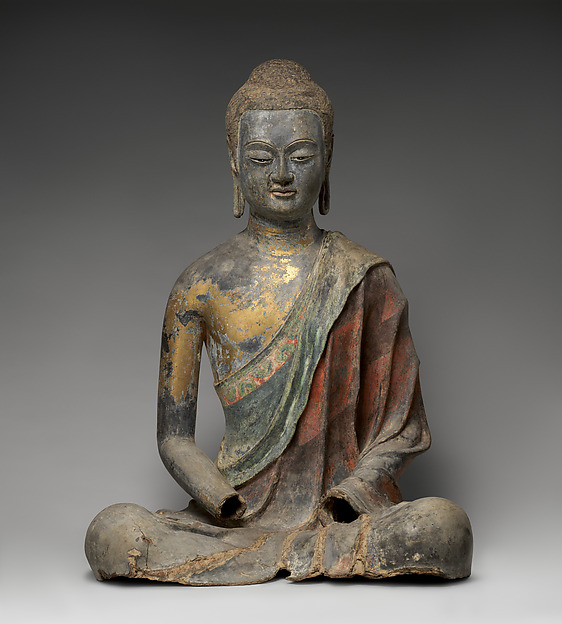
Buddha, probably Amitabha
The Metropolitan Museum of Art · early 7th century
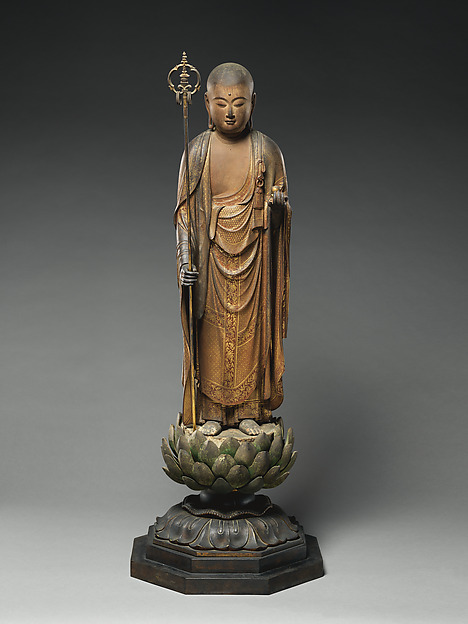
The Bodhisattva Jizō
Intan · 1291
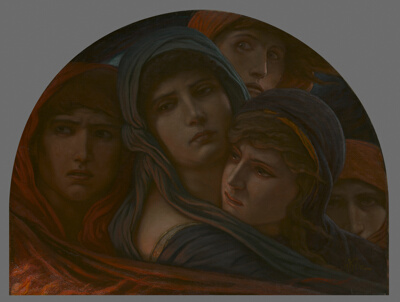
A Glimpse into Hell, or Fear
Elihu Vedder · 1888–98
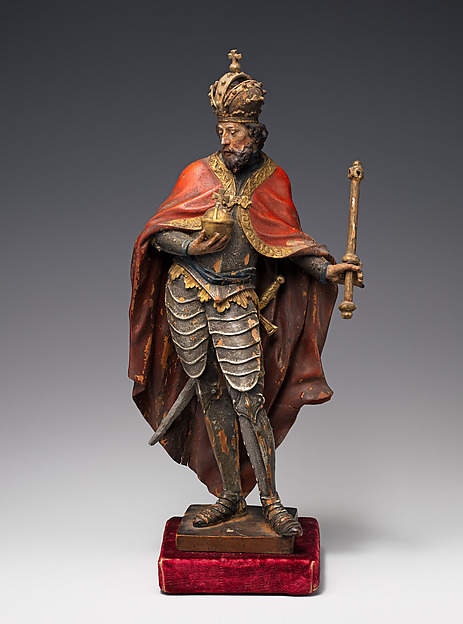
A King, possibly the Emperor Saint Henry
Joseph Götsch · 18th century
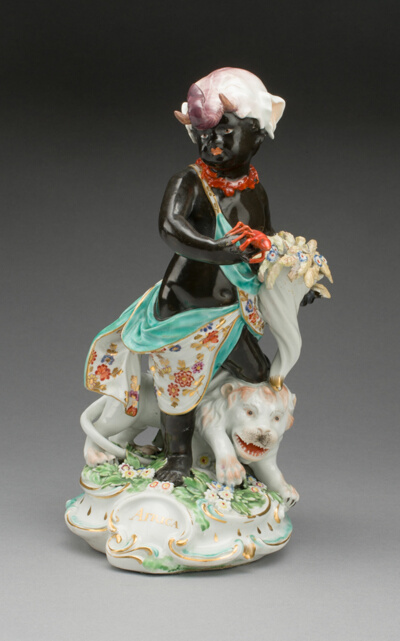
Allegorical Figure of Africa
Derby Porcelain Manufactory · 1770/80
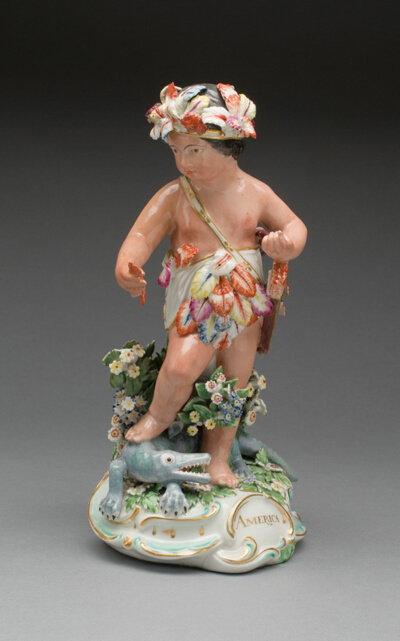
Allegorical Figure of America
Derby Porcelain Manufactory · 1770/80
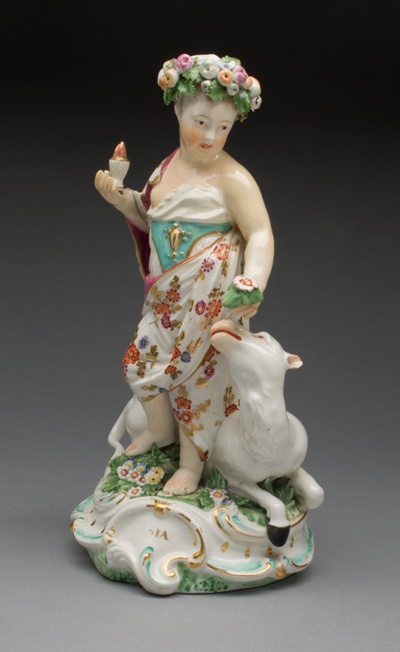
Allegorical Figure of Asia
Derby Porcelain Manufactory · 1770/80
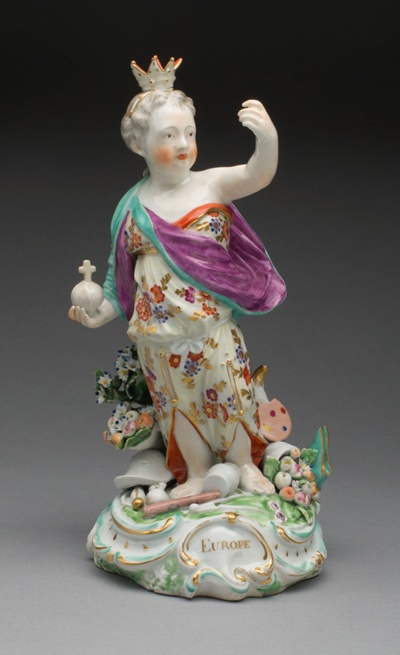
Allegorical Figure of Europe
Derby Porcelain Manufactory · 1770/80
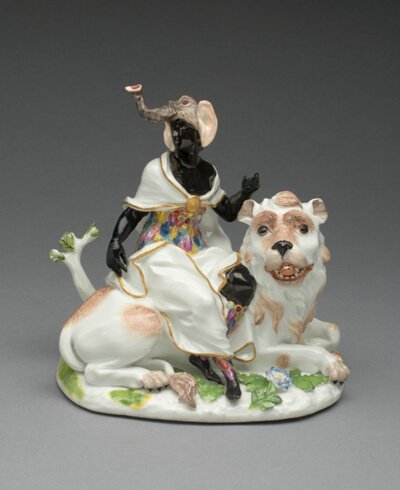
Allegorical Figure Representing Africa
Meissen Porcelain Manufactory · 1746
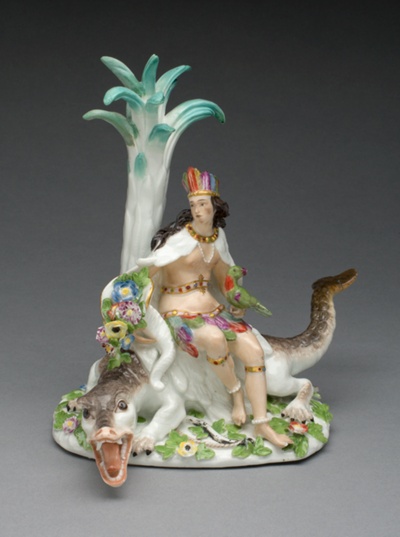
Allegorical Figure Representing America
Meissen Porcelain Manufactory · 1746
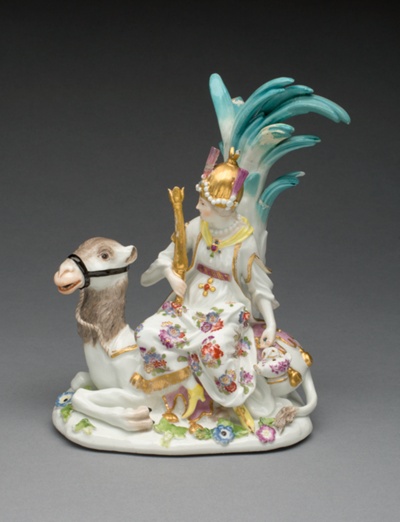
Allegorical Figure Representing Asia
Meissen Porcelain Manufactory · 1746
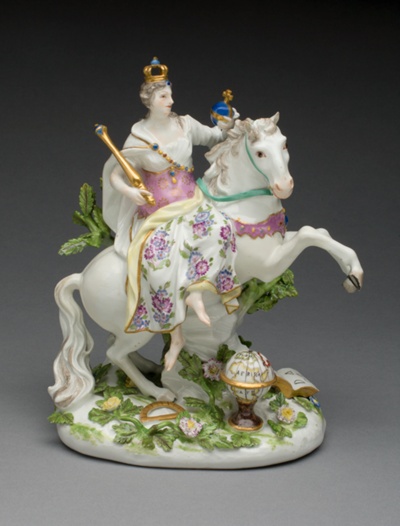
Allegorical Figure Representing Europe
Meissen Porcelain Manufactory · 1746

Amulet of Bes
Cleveland Museum of Art · 30 BCE–395 CE

Amulet of Bes
Cleveland Museum of Art · 30 BCE–395 CE

Amulet of Bes
Cleveland Museum of Art · 30 BCE–395 CE
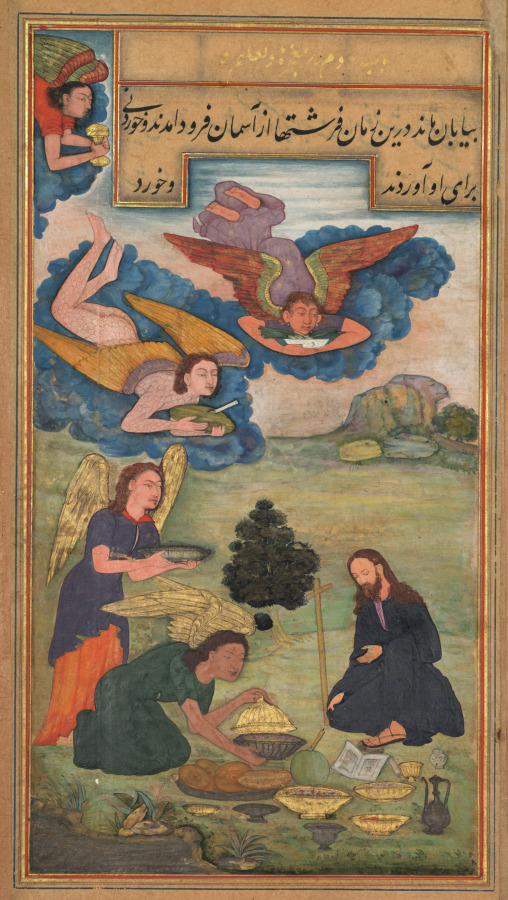
Angels bring food to Jesus in the wilderness (folio 55 recto), from a Mirror of Holiness (Mir’at al-quds) of Father Jerome Xavier
Muhammad Sharif · 1602–4
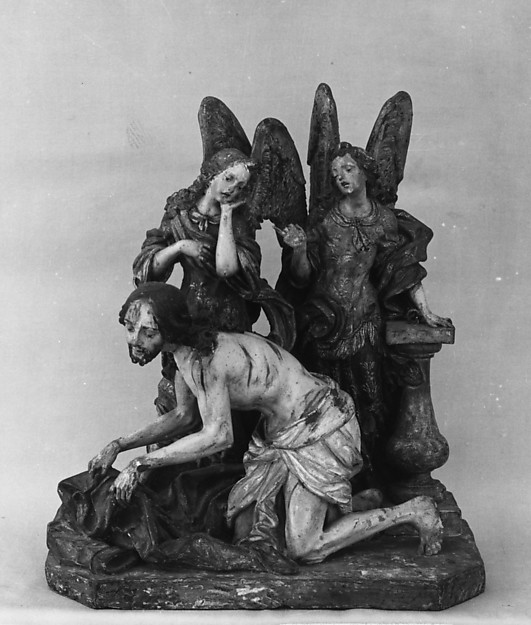
Angels mourning over Christ after the flagellation
Luisa Roldán, called La Roldana · early 18th century
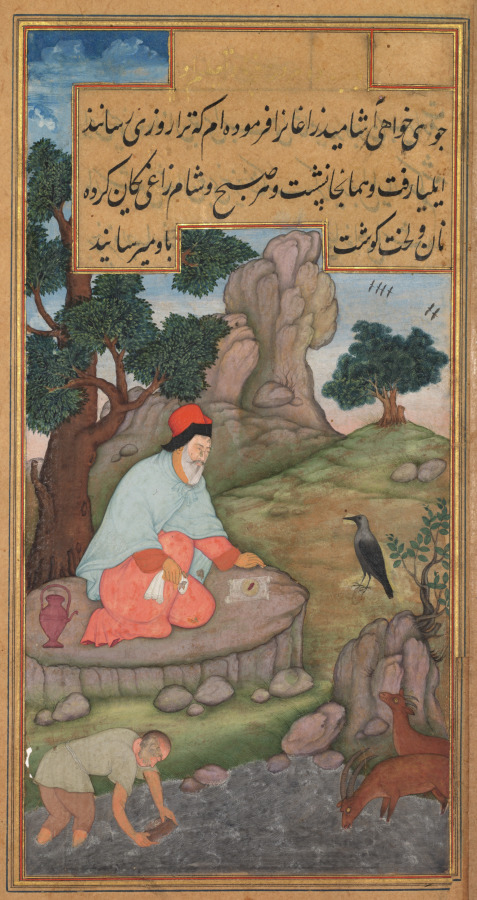
A raven brings food to Elijah (folio 72 recto), from a Mirror of Holiness (Mir’at al-quds) of Father Jerome Xavier,
Cleveland Museum of Art · 1602–4
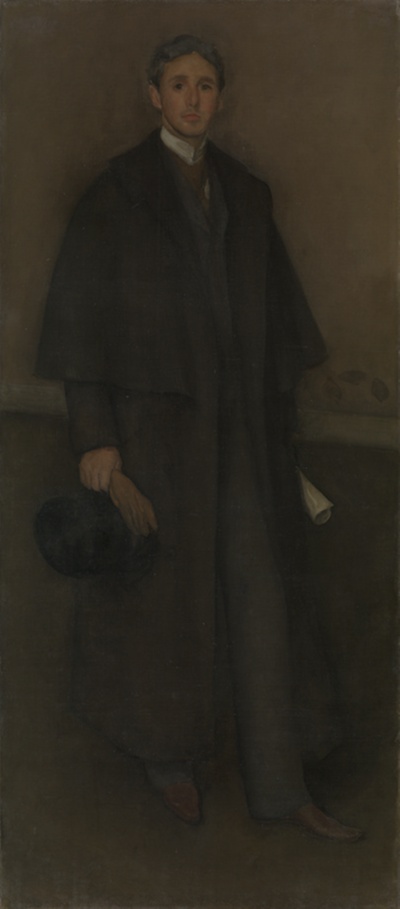
Arrangement in Flesh Color and Brown: Portrait of Arthur Jerome Eddy
James McNeill Whistler · 1894
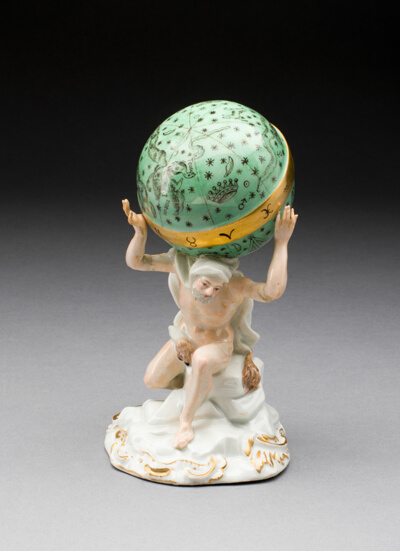
Atlas of the World
Meissen Porcelain Manufactory · 18th–19th century
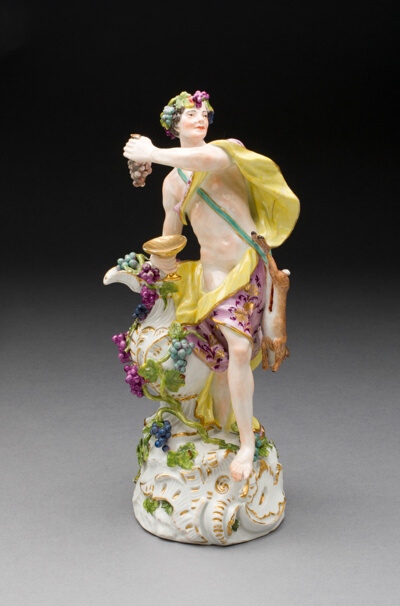
Autumn
Meissen Porcelain Manufactory · c. 1755

A Woman and Baby
Katsushika Hokusai · 1830s
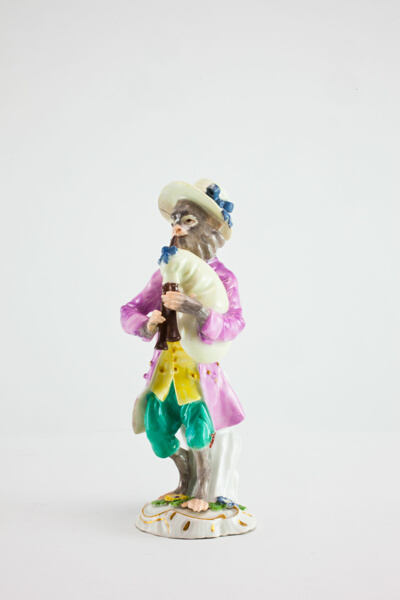
Bagpiper for the Monkey Band
Meissen Porcelain Manufactory · c. 1765
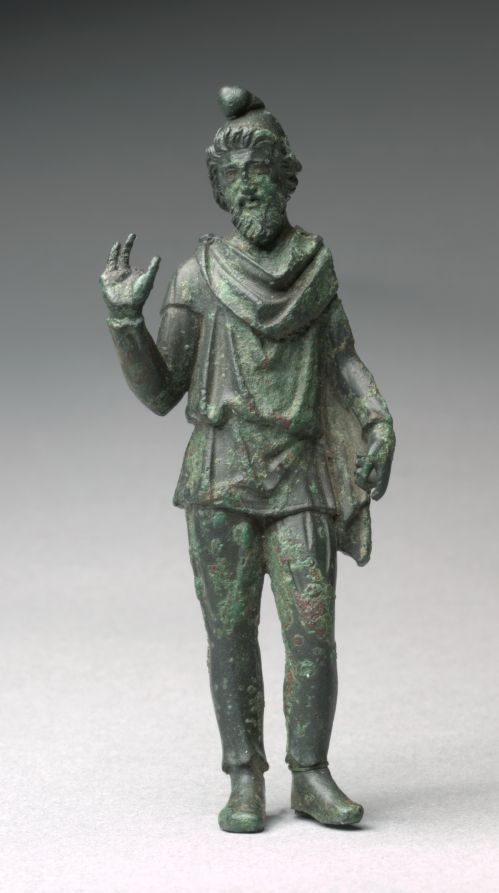
Barbarian
Cleveland Museum of Art · 1–100 CE
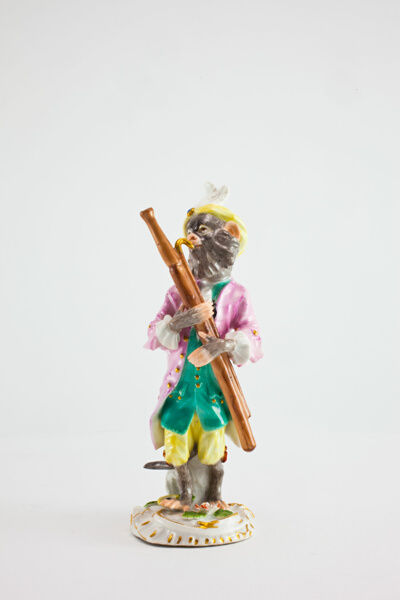
Bassoon Player for the Monkey Band
Meissen Porcelain Manufactory · c. 1765
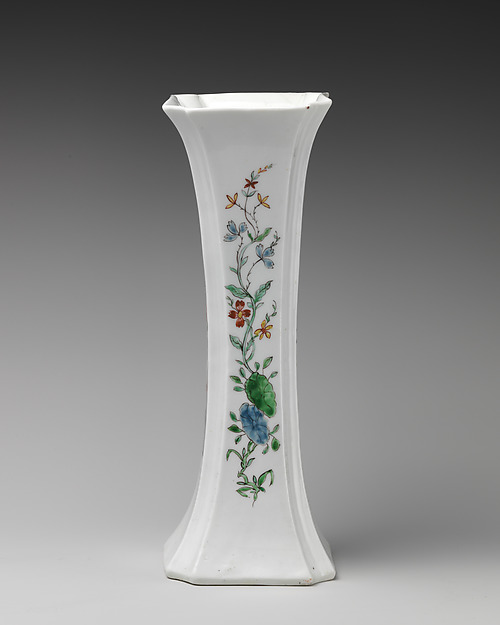
Beaker (part of a garniture)
The Metropolitan Museum of Art · ca. 1752–1753
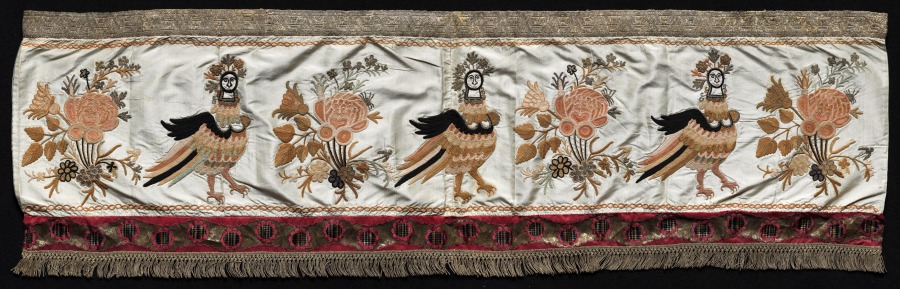
Border
Cleveland Museum of Art · c 1800– 1825

Buddhist Goddess Tara
Art Institute of Chicago · 15th century
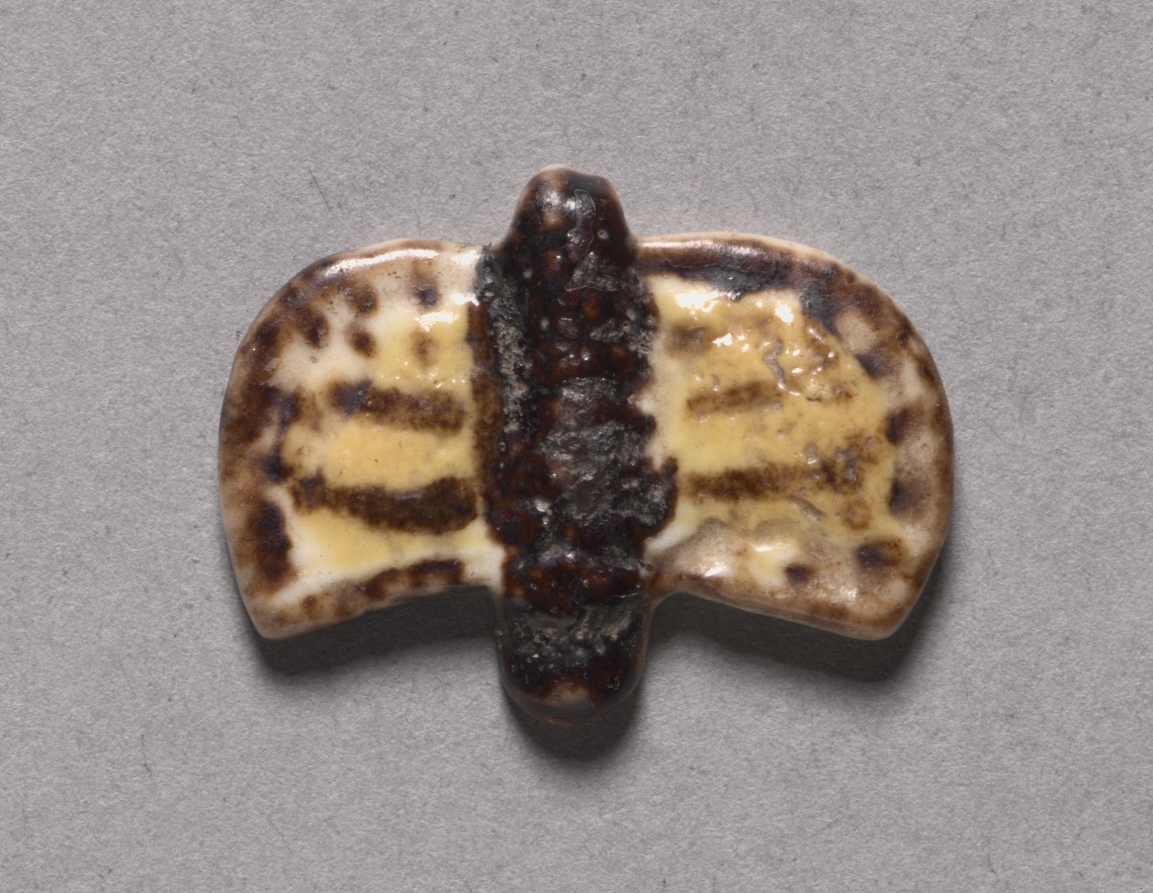
Butterfly Inlay
Cleveland Museum of Art · 1350–1296 BCE
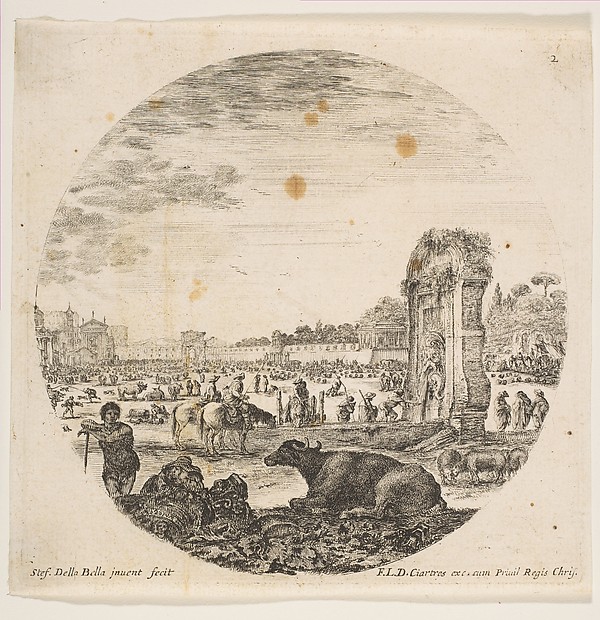
Campo Vaccino, a buffalo and two shepherds in center, the Fontanone to right in the middle ground, various animals and people in the background, plate 2 from "Roman landscapes and ruins" (Paysages et ruines de Rome)
Stefano della Bella · ca. 1646
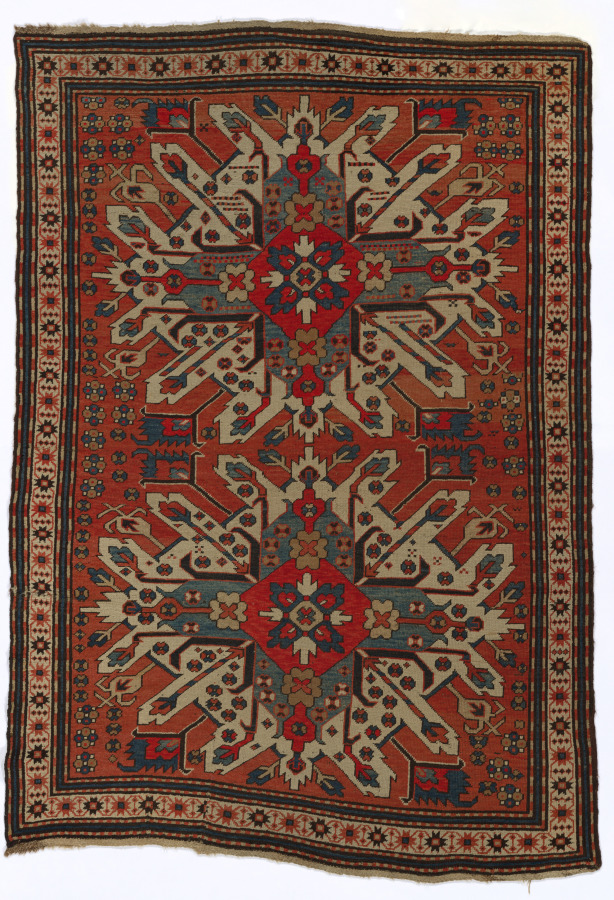
Carpet
Cleveland Museum of Art · 1800–1850
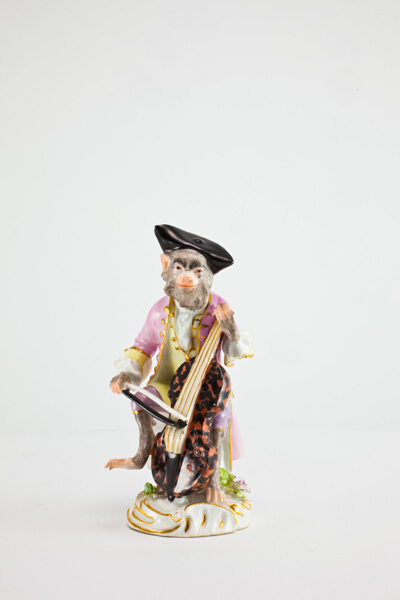
Cellist for the Monkey Band
Meissen Porcelain Manufactory · c. 1765
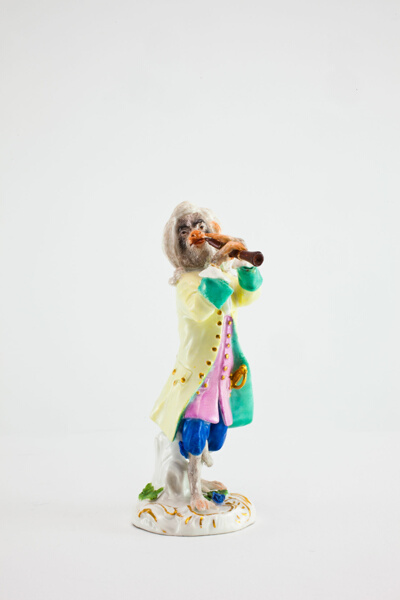
Clarinet Player for the Monkey Band
Meissen Porcelain Manufactory · c. 1765
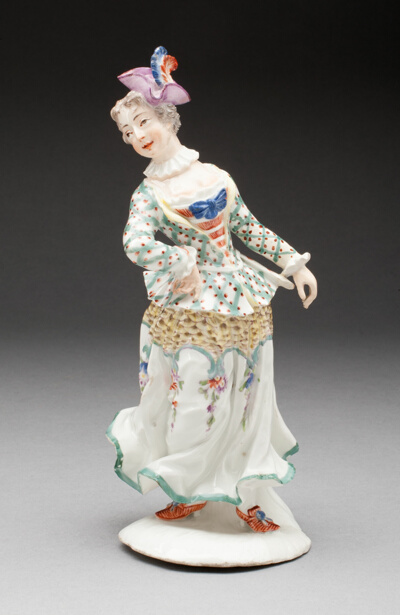
Columbine
Simon Feilner · c. 1754
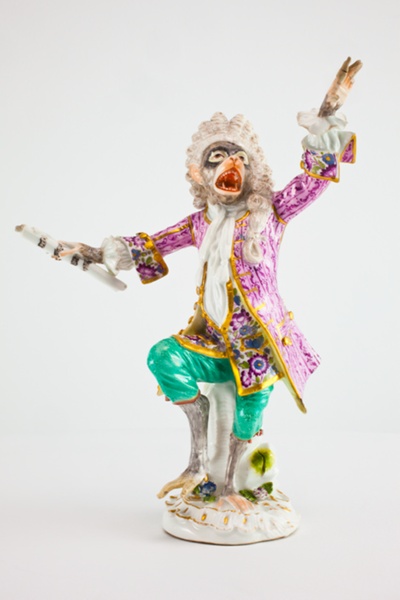
Conductor for the Monkey Band
Meissen Porcelain Manufactory · c. 1765
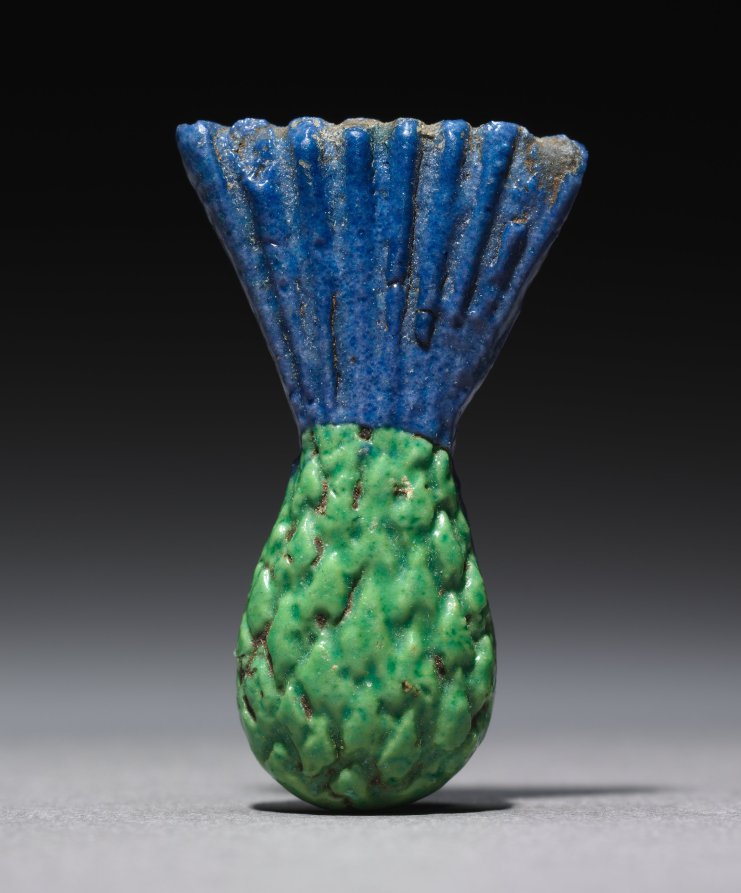
Cornflower Inlay
Cleveland Museum of Art · 1350–1296 BCE