Digital Art Museum · Archive
Results for “paper”
762 works
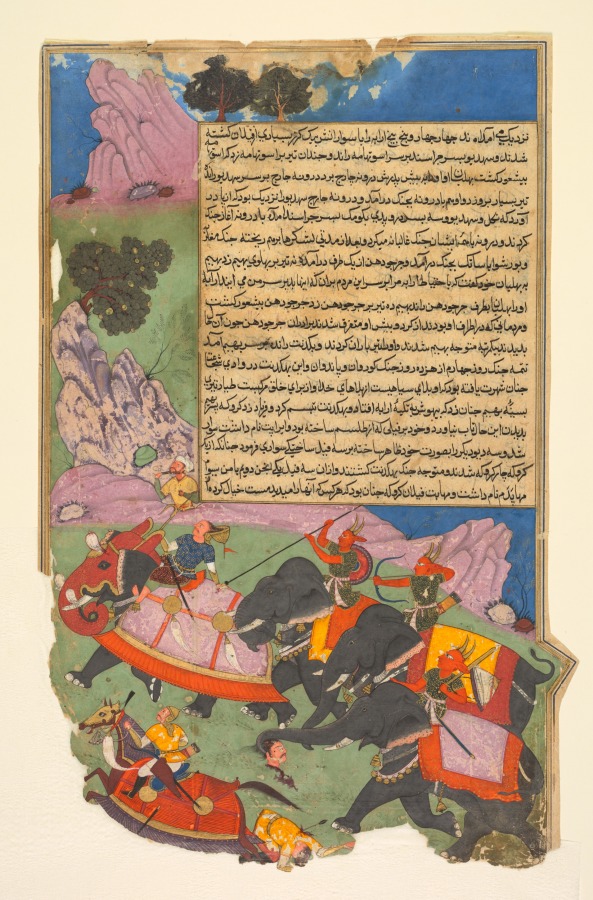
Ghatotkacha and three demons in his company chase Bhagadatta, from Bhishma-parva (volume six) of a Razm-nama (Book of Wars) adapted from the Sanskrit Mahabharata and translated into Persian by Mir Ghiyath al-Din Ali Qazvini, known as Naqib Khan (Persian, d. 1614)
Fazl · 1616–17
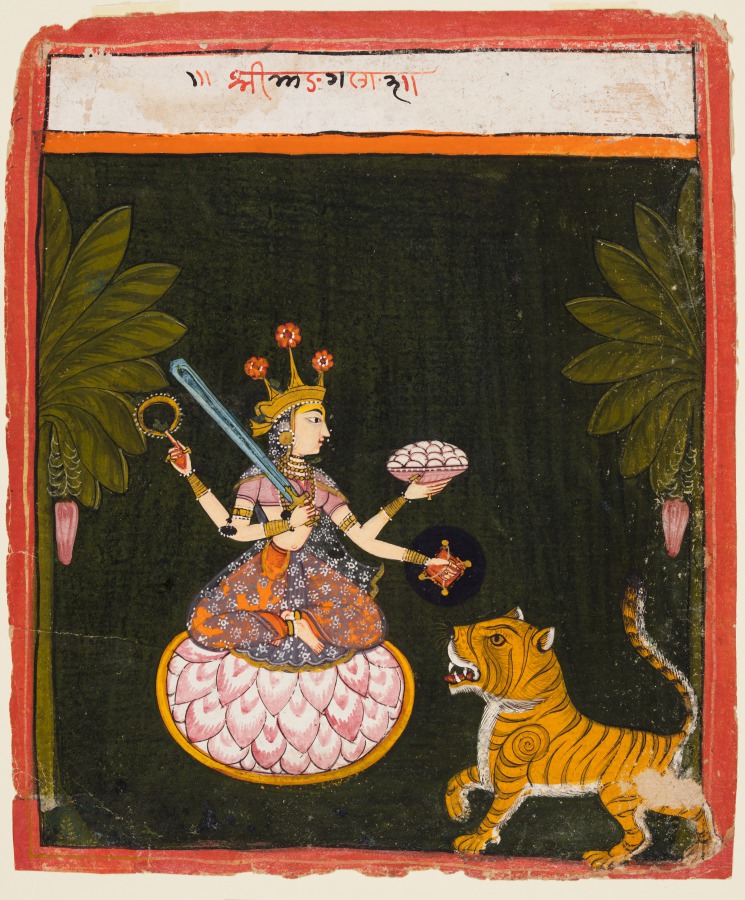
Goddess Mangala, from a Devi Series
Cleveland Museum of Art · c. 1660

Green Peaks under Clear Sky: After Huang Gongwang
Wang Yuanqi · 1703–8
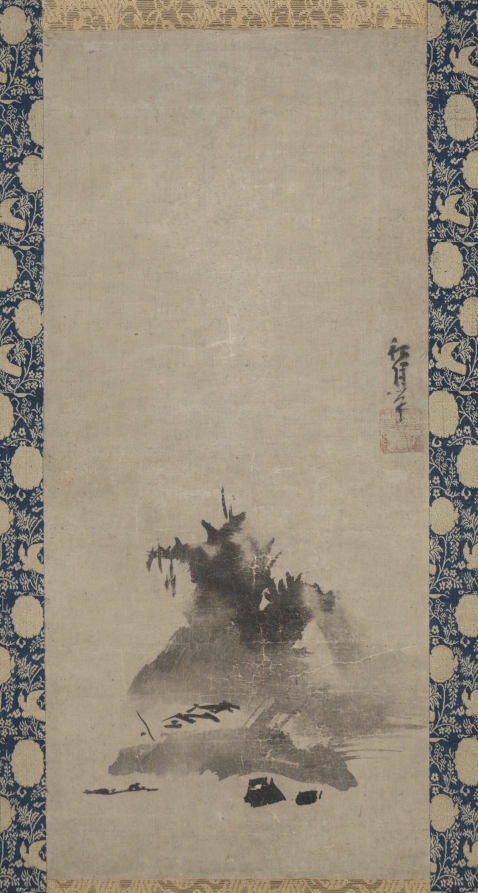
Haboku (Flung-ink) Landscape
Shūgetsu Tōkan · c. 1510
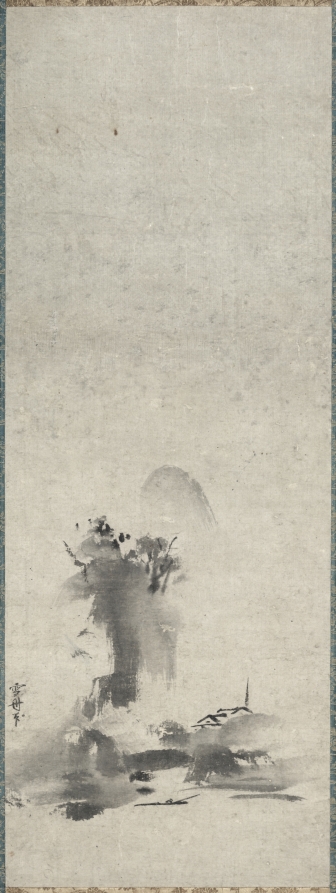
Haboku, Splashed Ink Landscape
Sesshū Tōyō · 1400s–early 1500s
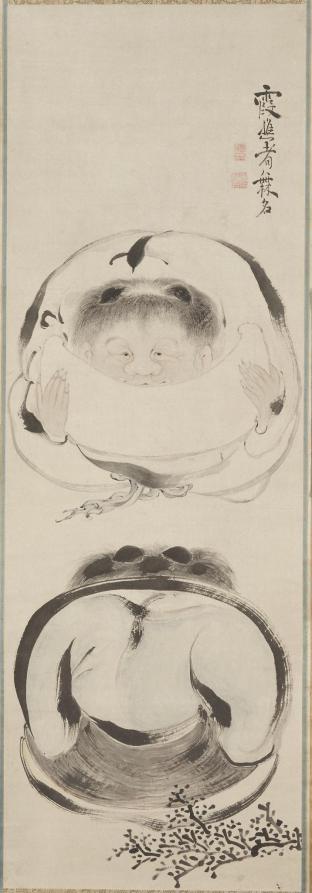
Hanshan and Shide
Ike Taiga · c. 1745–76
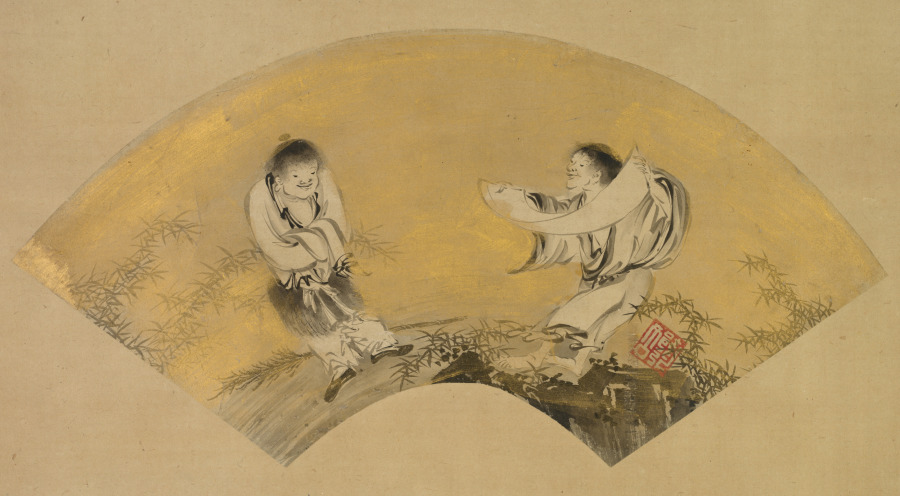
Hanshan and Shide (Kanzan and Jittoku)
Shikibu Terutada · mid-1500s

Hanuman
Cleveland Museum of Art · c. 1880
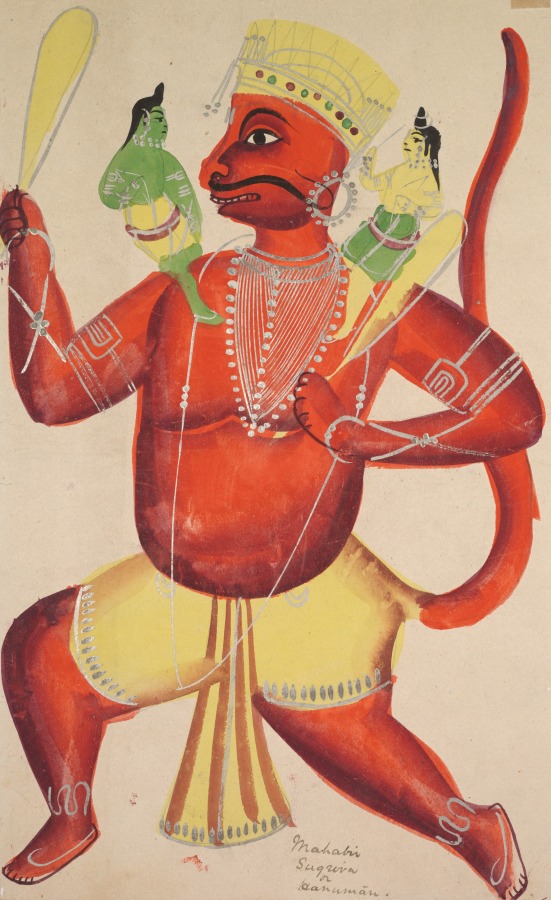
Hanuman with Rama and Lakshmana on his shoulders, from a Kalighat album
Cleveland Museum of Art · c. 1890
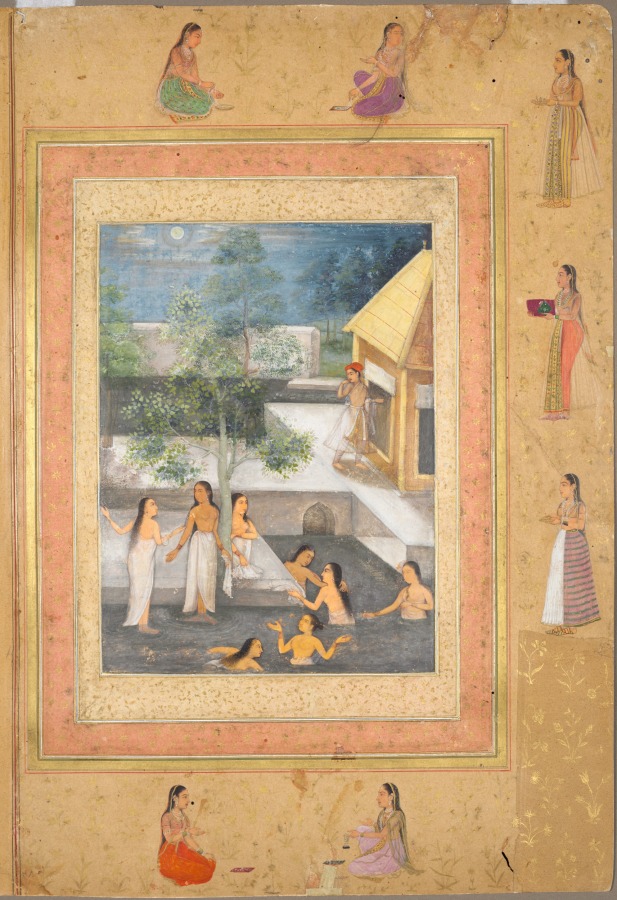
Harem night-bathing scene, from the Late Shah Jahan Album (recto)
Cleveland Museum of Art · c. 1653

Head of a Beauty
Cleveland Museum of Art · c. 1750

Hindu God Krishna Talking to Elders
Cleveland Museum of Art · c. 1800
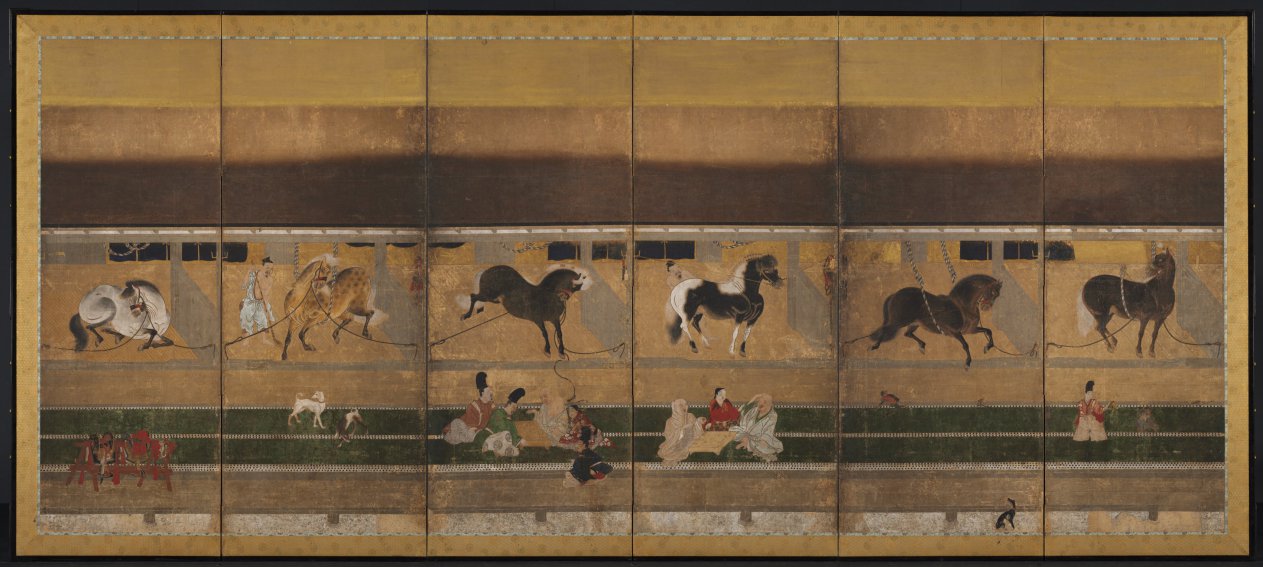
Horse Stable
Cleveland Museum of Art · early 1500s
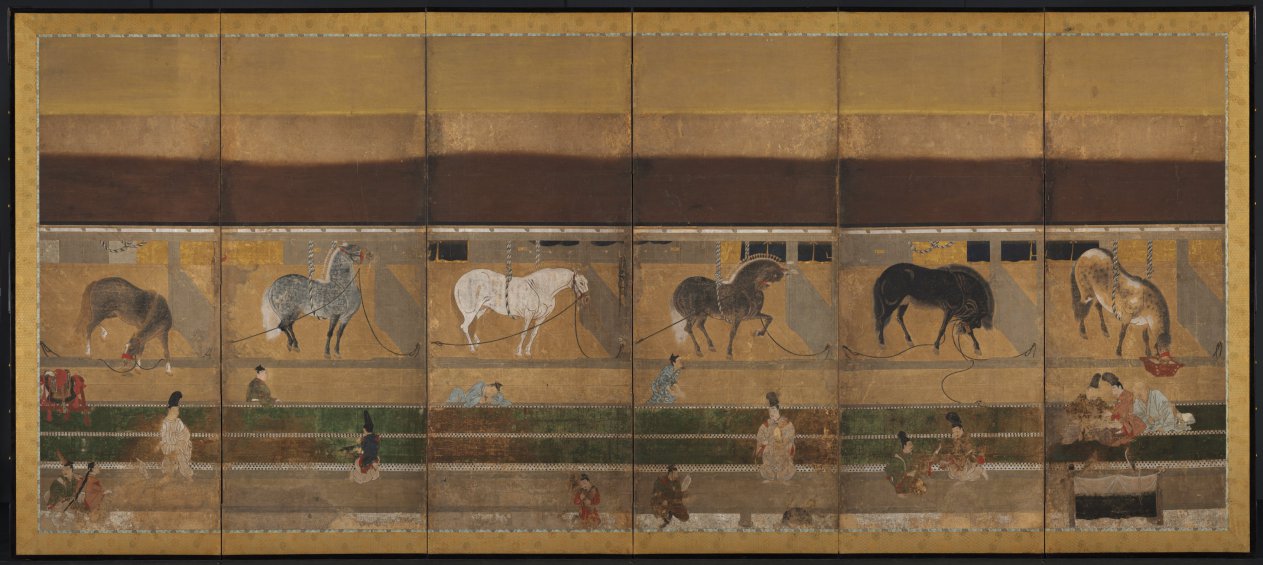
Horse Stable
Cleveland Museum of Art · early 1500s
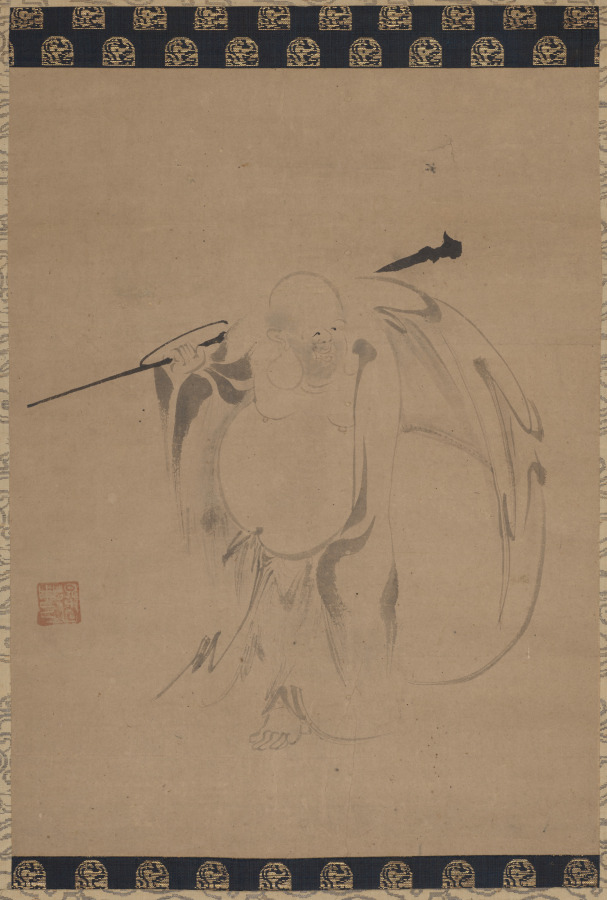
Hotei
Tokuchū · late 1400s
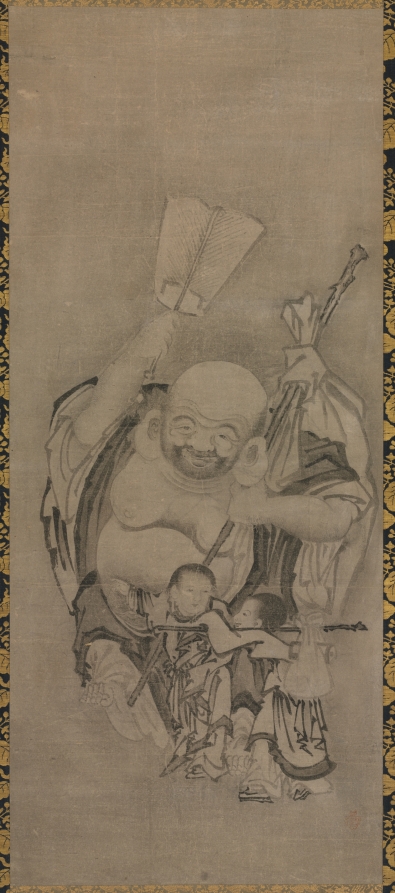
Hotei with Daoist Immortals: Hotei
Kyūseki Tomonobu · late 1600s–early 1700s
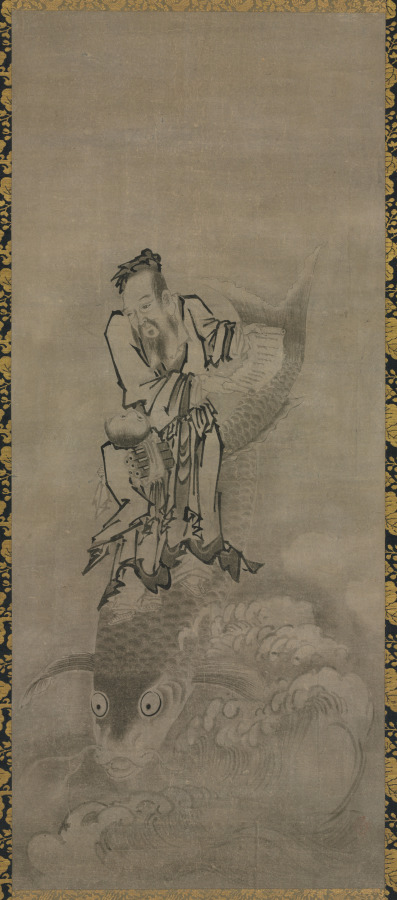
Hotei with Daoist Immortals: Immortal Riding Carp
Kyūseki Tomonobu · late 1600s-early 1700s
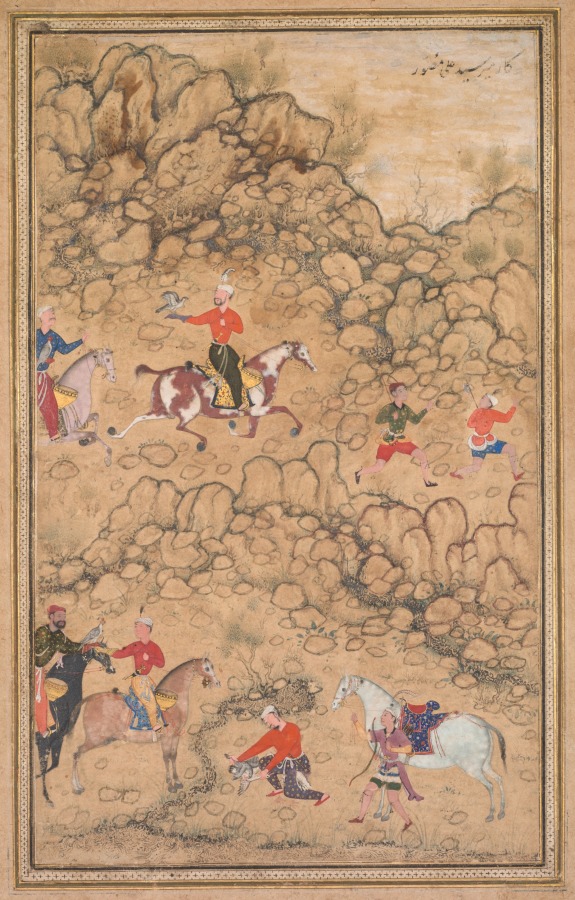
Hunting with falcons in a landscape (recto)
Abd al-Samad · c. 1558–60; borders added probably 1700s
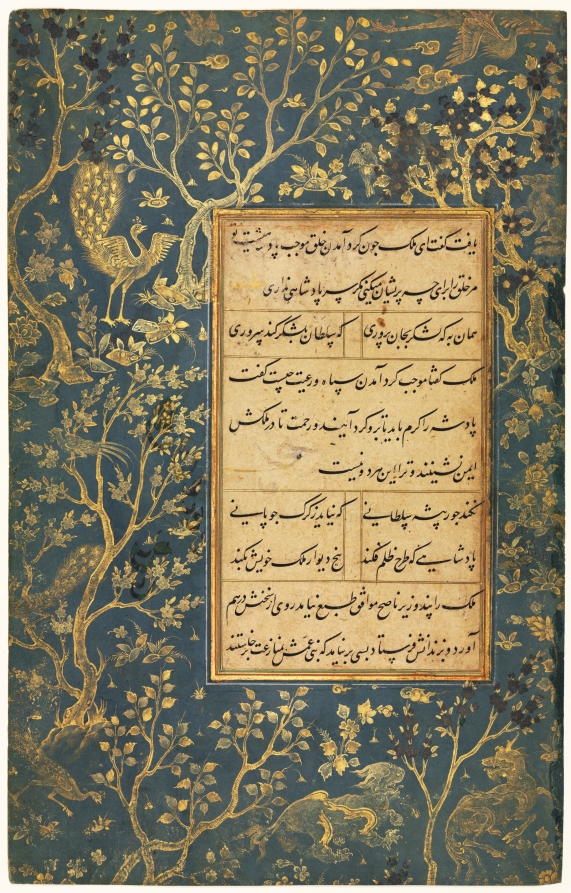
Illuminated Folio (recto) from a Gulistan (Rose Garden) of Sa'di (c. 1213–1291)
Sultan 'Ali al-Mashadi · c. 1475–1500; border: c. 1550
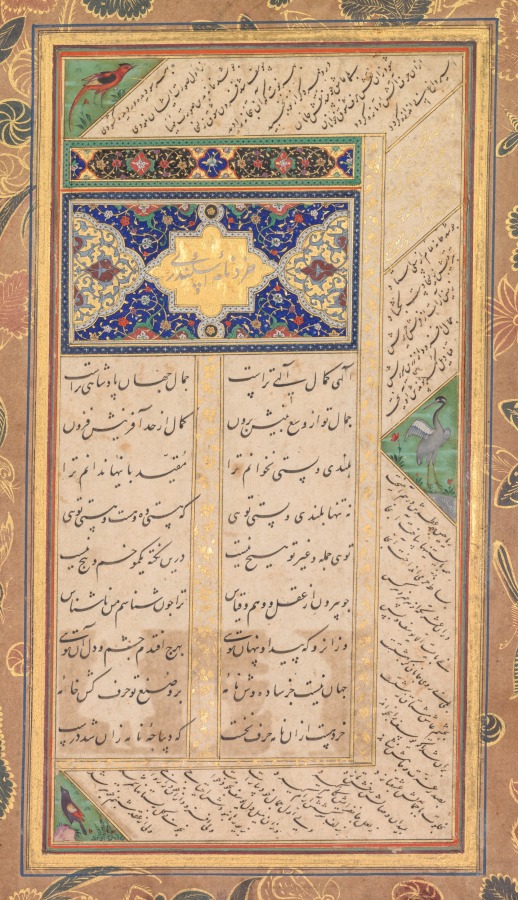
Illuminated page (verso), from a Panj Ganj (Five Treasures) of Abd al- Rahman Jami (Persian, 1414–1492) with two Persian masnavis: Yusuf va Zulaykha (Joseph and Zulaykha) and Khirad-nama-i Iskandari (Alexander’s Book of Wisdom)
Mushfiq · 1603–7
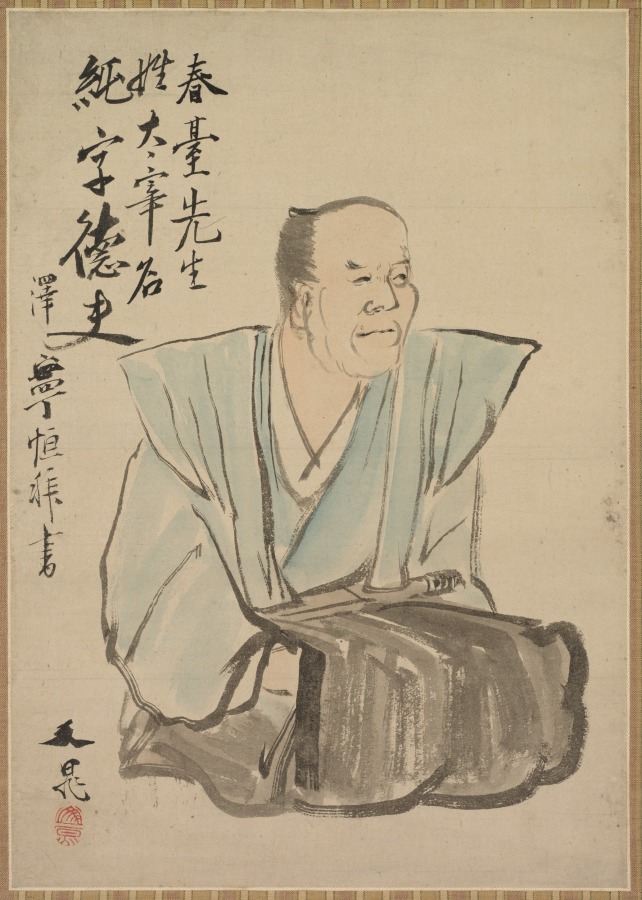
Imaginary Portrait of Shundai Dazai
Tani Bunchō · late 1700s–1800s

Indra Commands Harinaigameshin to Transfer the Embryo of Mahavira, Folio 9 (verso), from a Kalpa-sutra
Cleveland Museum of Art · c. 1475–1500
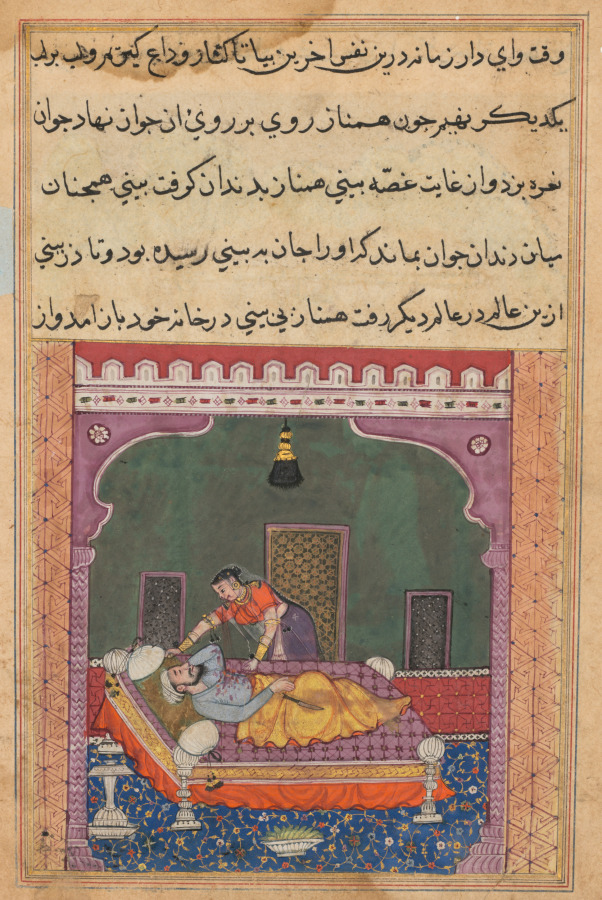
In order to falsely implicate her husband, Hamnaz places a knife by his side and lets the blood dripping from her nose stain his clothes, from a Tuti-nama (Tales of a Parrot): Twenty-fifth Night
Cleveland Museum of Art · c. 1560

Insects and Flowers
Cleveland Museum of Art · c. 1900
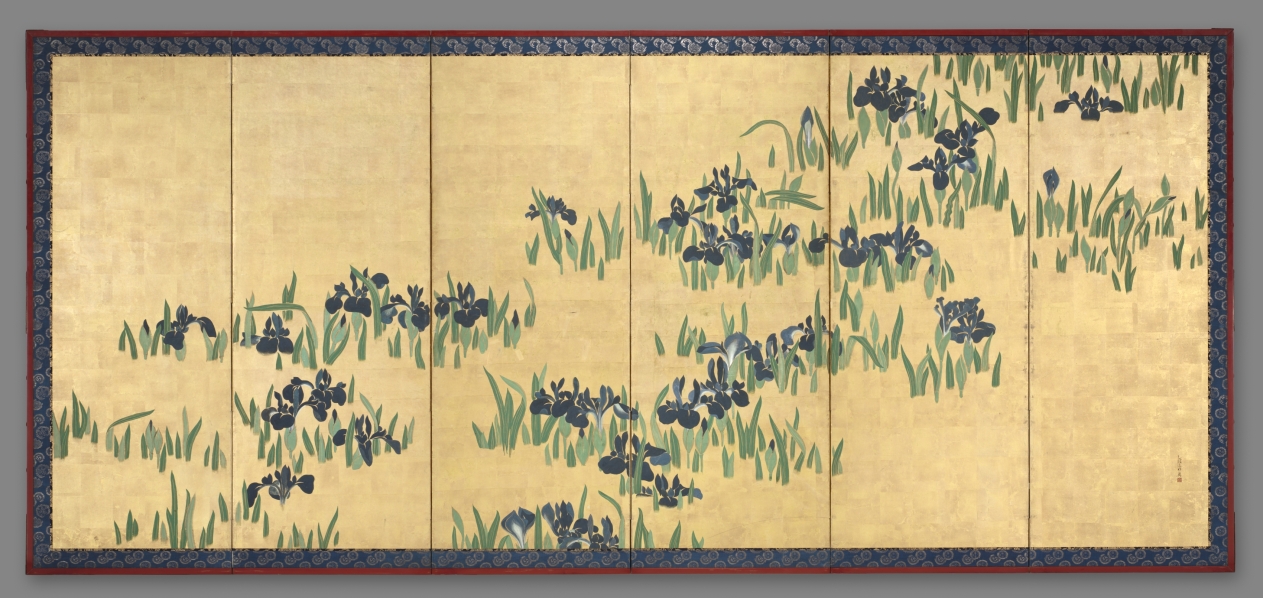
Irises
Watanabe Shikō · 1700s

Irises
Watanabe Shikō · 1700s
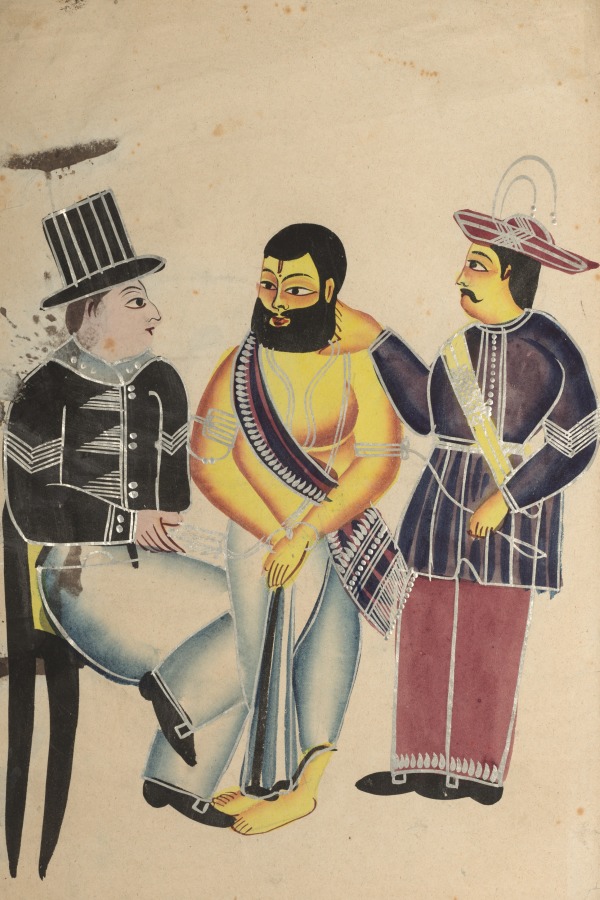
Jailer Receiving the Mahant of Tarakeshwar in Prison
Cleveland Museum of Art · c. 1890
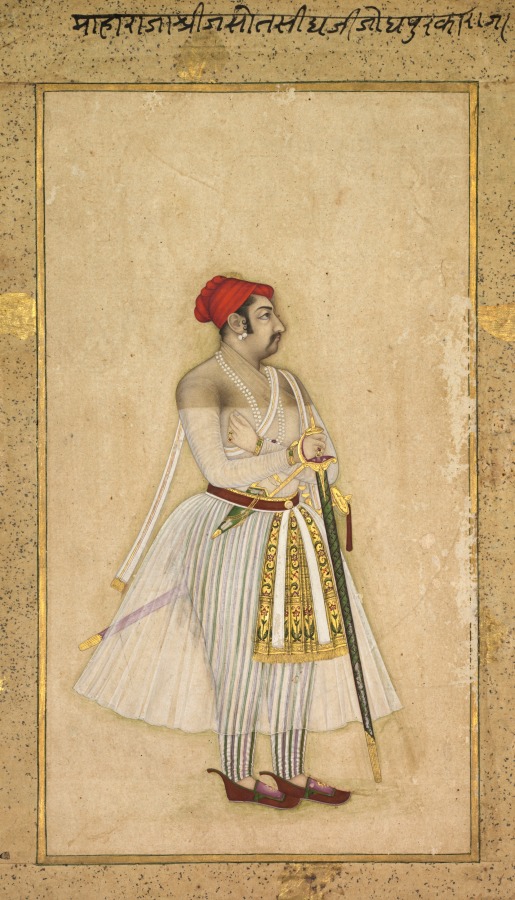
Jaswant Singh of Jodhpur (reigned 1635–1678)
Cleveland Museum of Art · c. 1660–65

Jesus on Mount Tabor, near Nazareth where he Chooses Twelve of his Followers and Calls them Apostles (folio 87 verso), from a Mirror of Holiness (Mir’at al-quds) of Father Jerome Xavier
Cleveland Museum of Art · 1602–04

Jesus writes on the ground (folio 130 verso), from a Mirror of Holiness (Mir’at al-quds) of Father Jerome Xavier
Cleveland Museum of Art · 1602–4
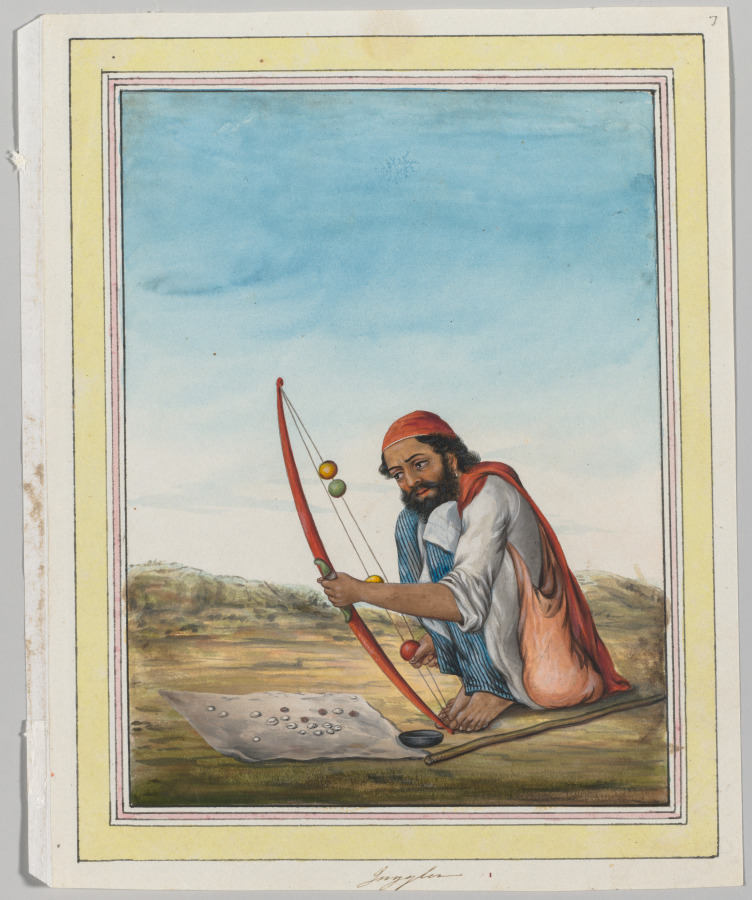
Juggler
Cleveland Museum of Art · c. 1840
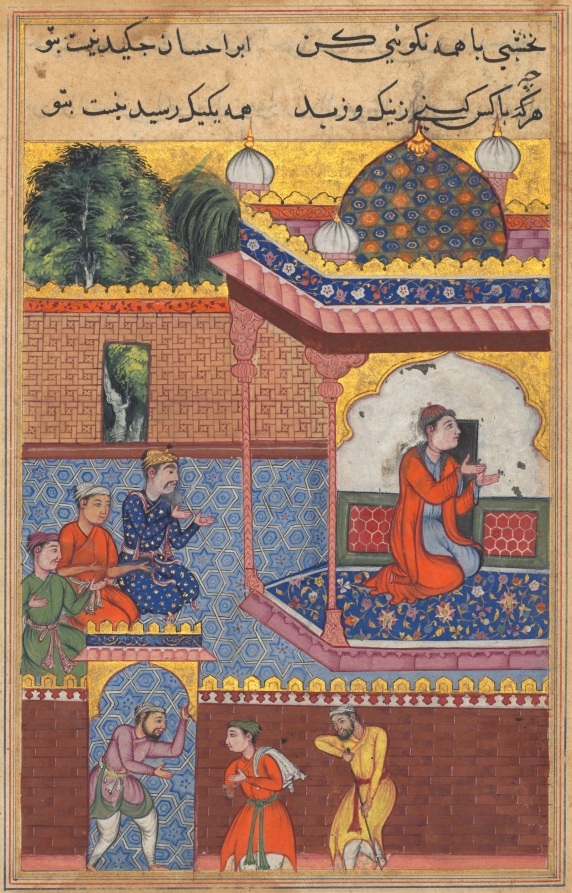
Kaiwan, Latif, and Sharif arrive at a house of worship, where they seek help from Khurshid who has become a mystical healer, from a Tuti-Nama (Tales of a Parrot): Thirty-second Night
Cleveland Museum of Art · c. 1560

Kakubha Ragini
Cleveland Museum of Art · c. 1610

Kakubha Ragini
Cleveland Museum of Art · c. 1750
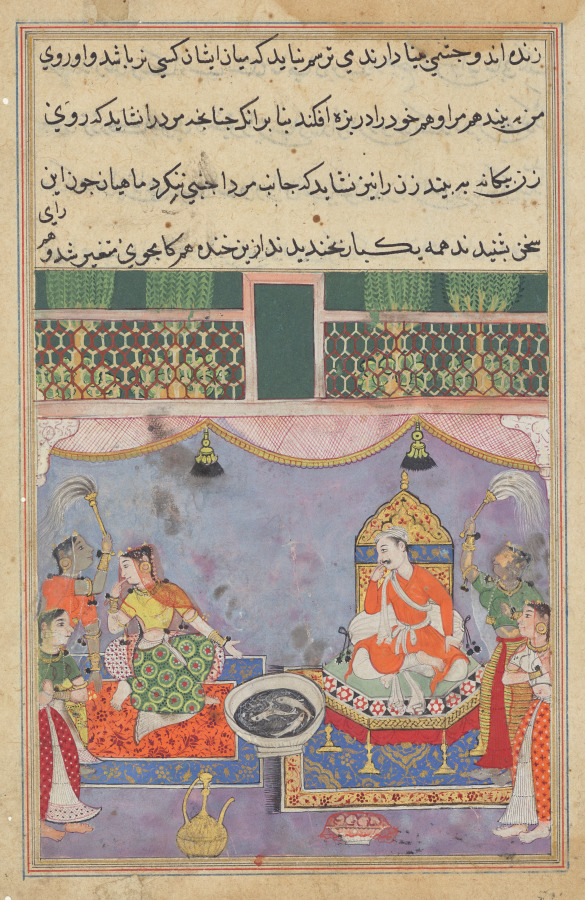
Kamjuy, the wife of the Raja, averts her face from the fishes, from a Tuti-nama (Tales of a Parrot): Twenty-third Night
Cleveland Museum of Art · c. 1560

Kanhara Ragini: Song of Inspiration to Krishna for Killing the Elephant Demon, from the Ragamala Series
Cleveland Museum of Art · c. 1760