Digital Art Museum · Archive
Results for “book”
14 works
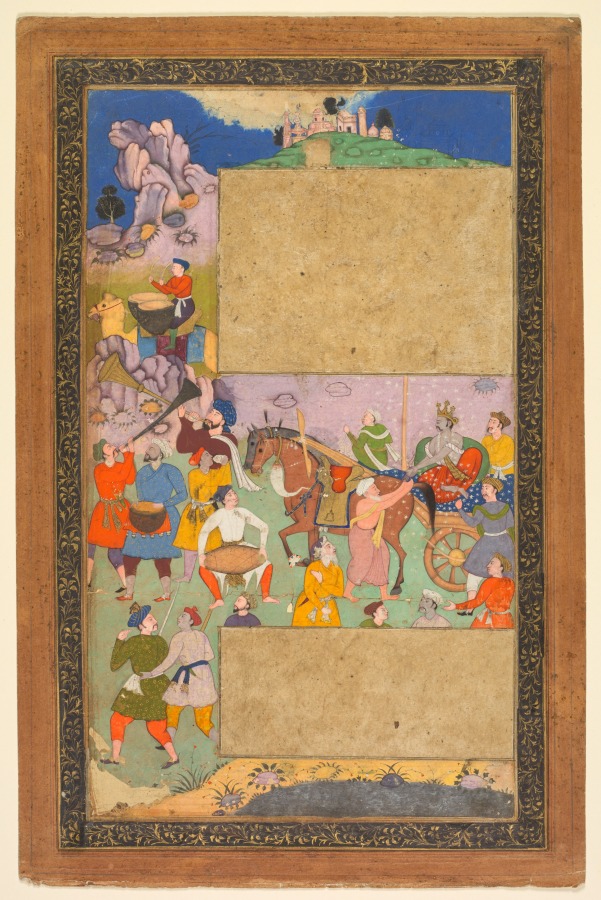
A charioteer riding through a rocky landscape with an entourage of footmen and musicians, page from a Razm-nama (Book of Wars) adapted from the Sanskrit Mahabharata and translated into Persian by Mir Ghiyath al-Din Ali Qazvini, known as Naqib Khan (Persian, d. 1614)
Yusuf Ali · 1616–17
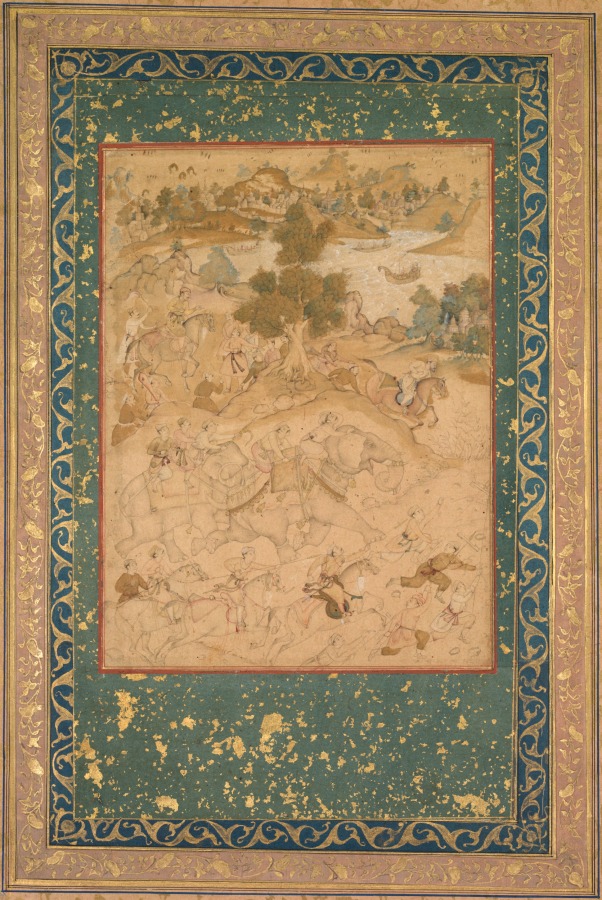
Akbar supervising the capture of wild elephants at Malwa in 1564, painting 90 from an Akbar-nama (Book of Akbar) of Abu’l Fazl (Indian 1551–1602)
Farukh Chela · c. 1602–3; borders added c. 1700s
Akbar supervising the capture of wild elephants at Malwa in 1564, painting 90 from an Akbar-nama (Book of Akbar) of Abu’l Fazl (Indian 1551–1602)
Farukh Chela · c. 1602–3; borders added c. 1700s
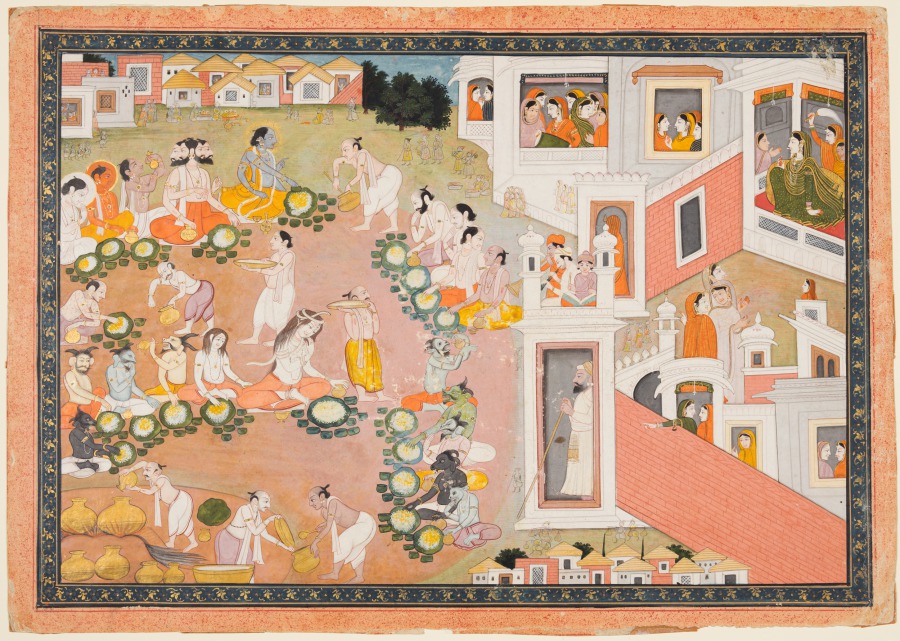
Feast where Vishnu decides he will incarnate as King Dasharatha’s sons, from Chapters 14–15 of the "Bala Kanda" (Book of Childhood) of a Ramayana (Rama’s Journey)
Cleveland Museum of Art · c. 1810
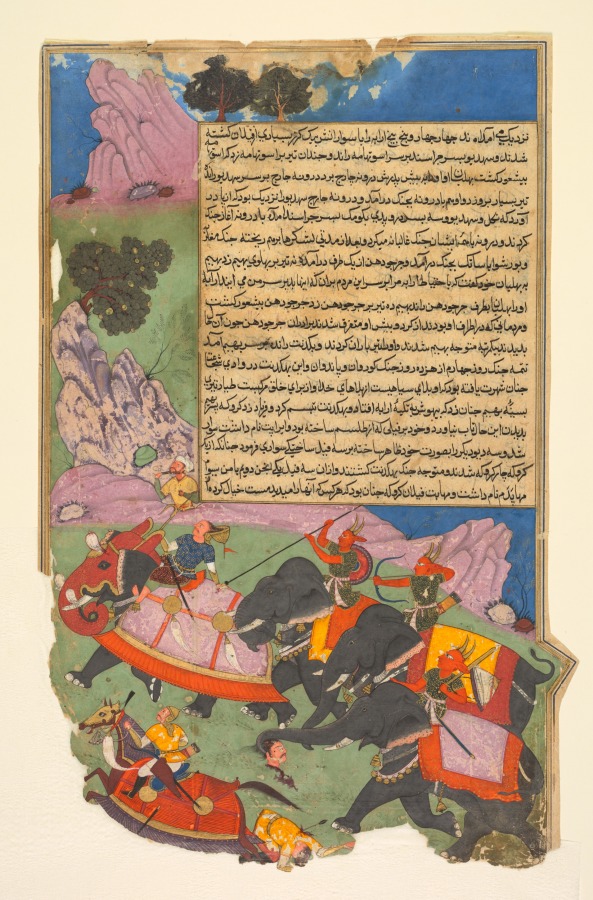
Ghatotkacha and three demons in his company chase Bhagadatta, from Bhishma-parva (volume six) of a Razm-nama (Book of Wars) adapted from the Sanskrit Mahabharata and translated into Persian by Mir Ghiyath al-Din Ali Qazvini, known as Naqib Khan (Persian, d. 1614)
Fazl · 1616–17
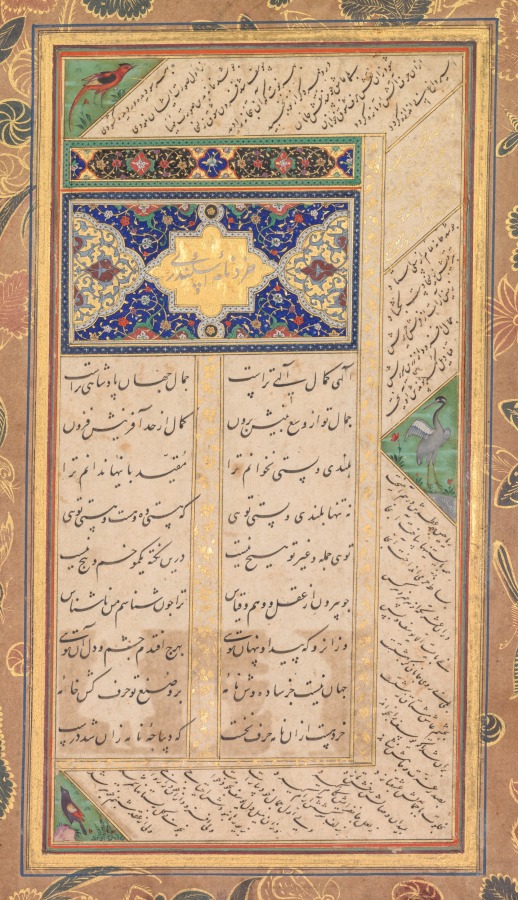
Illuminated page (verso), from a Panj Ganj (Five Treasures) of Abd al- Rahman Jami (Persian, 1414–1492) with two Persian masnavis: Yusuf va Zulaykha (Joseph and Zulaykha) and Khirad-nama-i Iskandari (Alexander’s Book of Wisdom)
Mushfiq · 1603–7
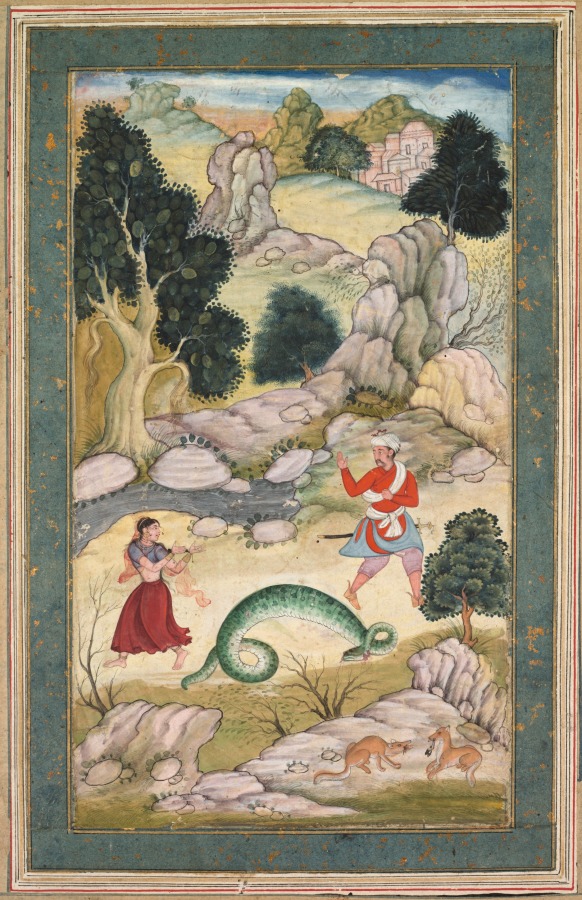
Lovers parting, page from a book of fables
Cleveland Museum of Art · c. 1590–95

Lovers Parting, Page from a Book of Fables
Cleveland Museum of Art · c. 1590–95
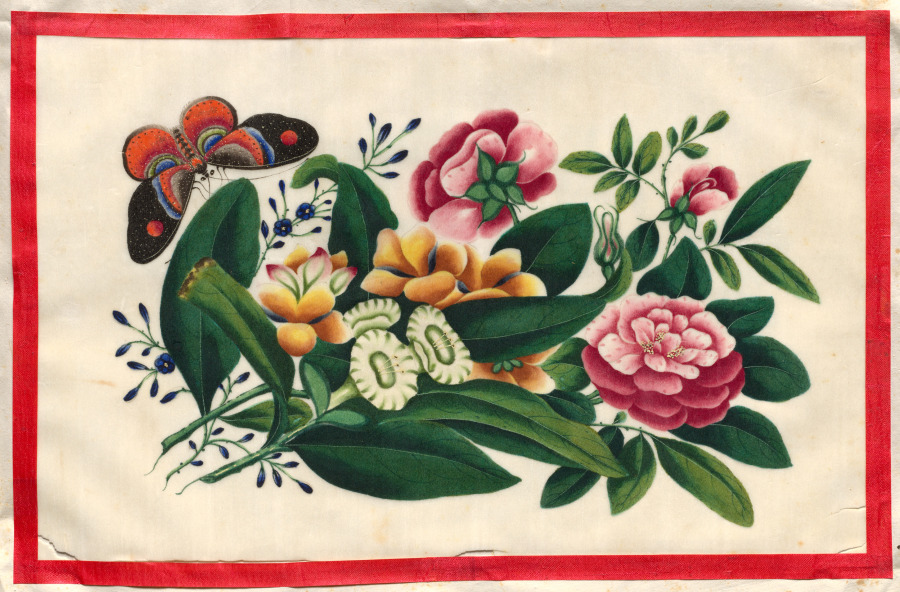
Painting Eight from Illustrated Book of Flowers and Butterflies
Cleveland Museum of Art · 1800s
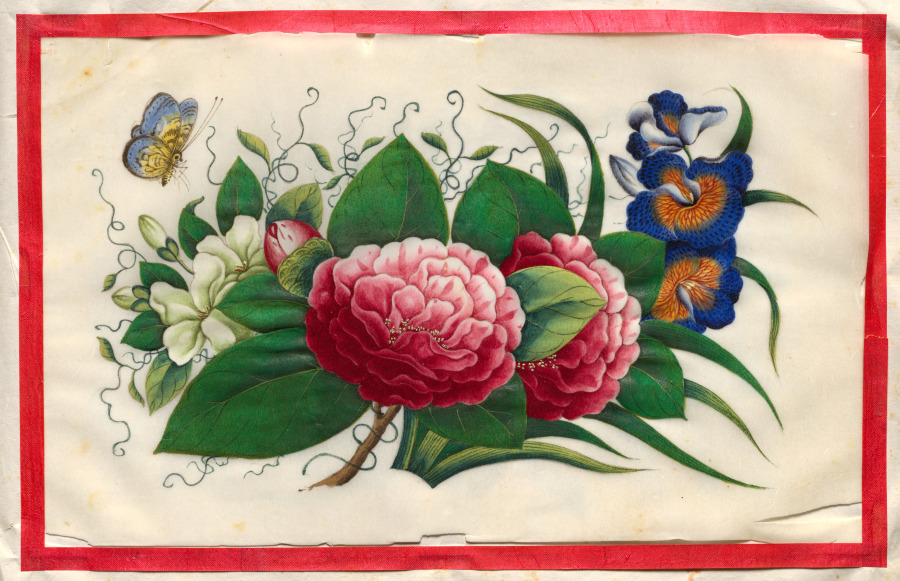
Painting Four from Illustrated Book of Flowers and Butterflies
Cleveland Museum of Art · 1800s
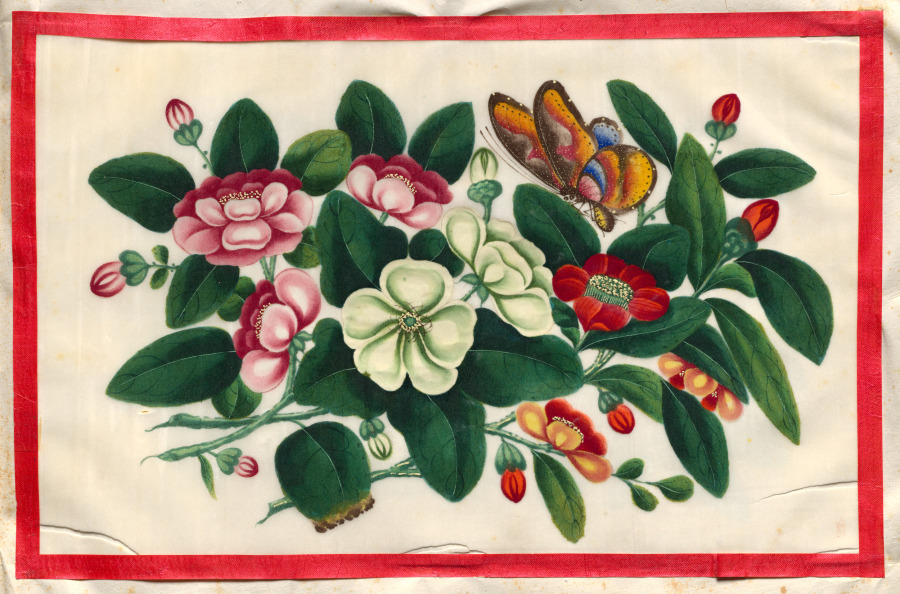
Painting Seven from Illustrated Book of Flowers and Butterflies
Cleveland Museum of Art · 1800s
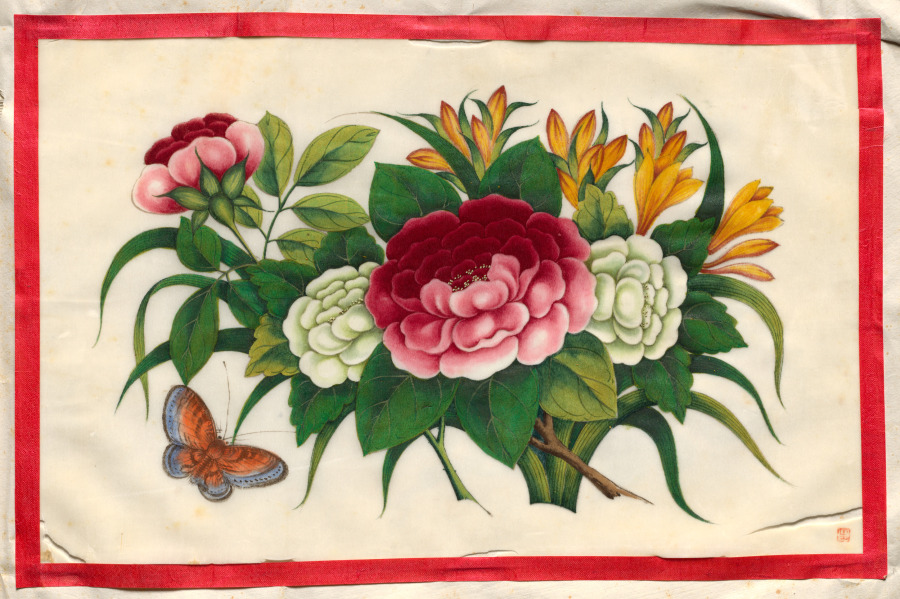
Painting Ten from Illustrated Book of Flowers and Butterflies
Cleveland Museum of Art · 1800s
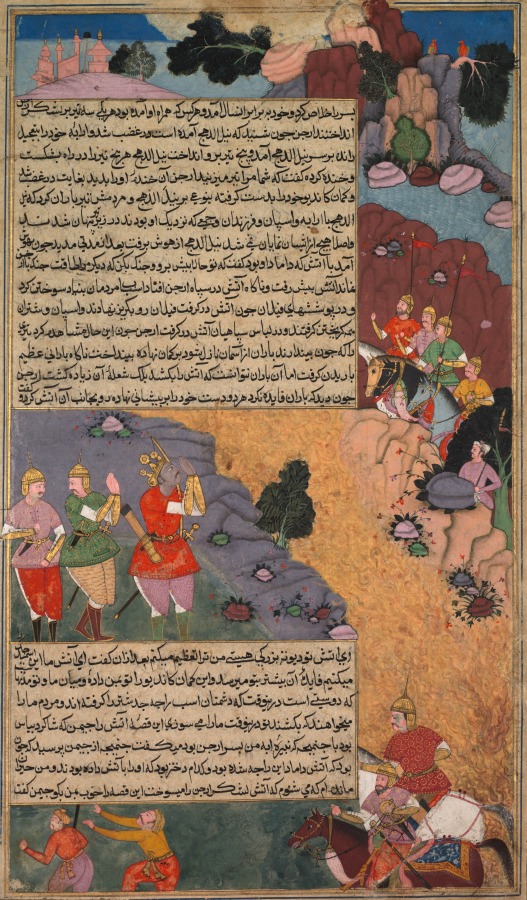
The First Adventure of the White Horse, Page from the Khan Khanan's Razm Nama (Book of Wars)
Cleveland Museum of Art · c. 1610–17
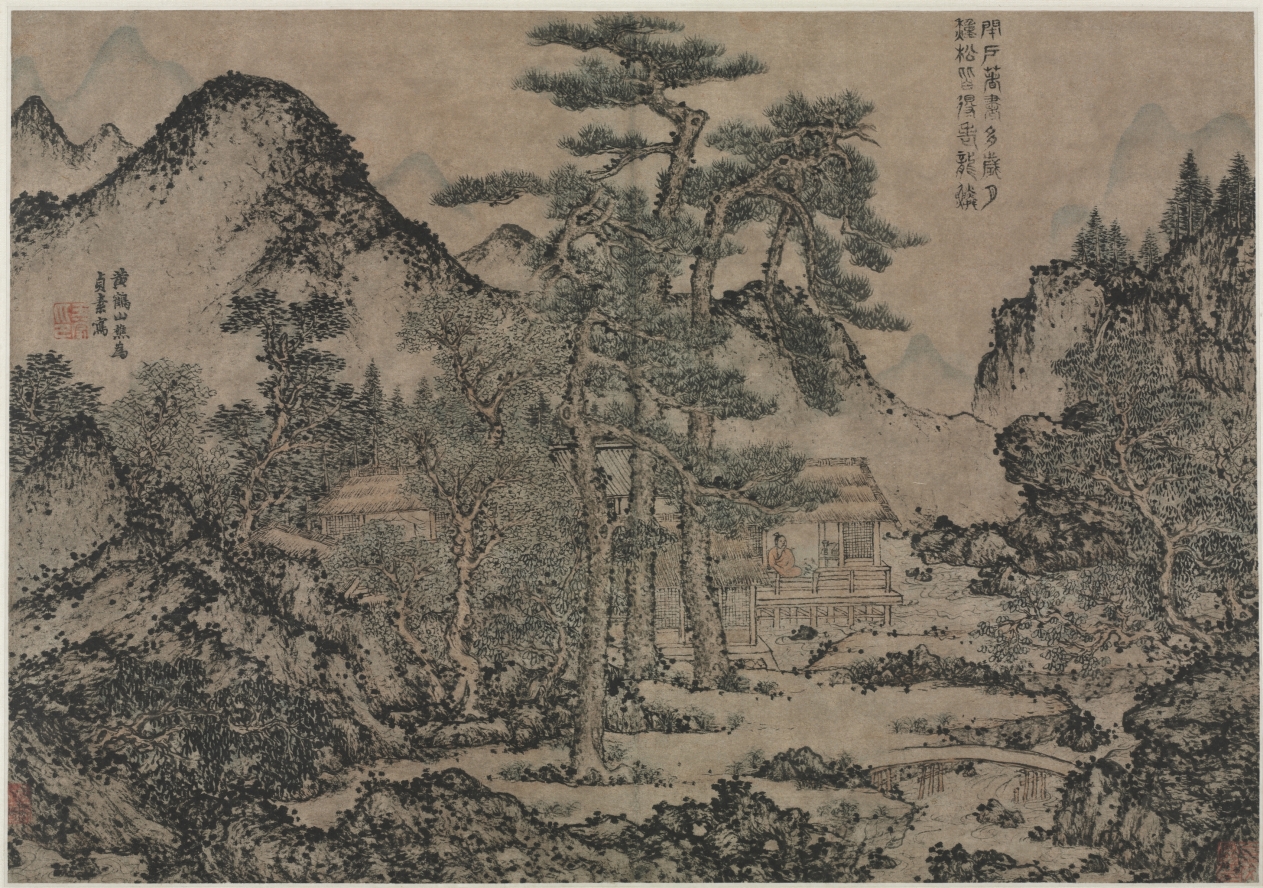
Writing Books under the Pine Trees
Wang Meng · c. 1308–85